
Understanding Japanese Chin Health
Explore essential health insights and care tips for your beloved Japanese Chin, ensuring a happy and healthy life.
Preventive Care
Nutrition Needs
Exercise Requirements
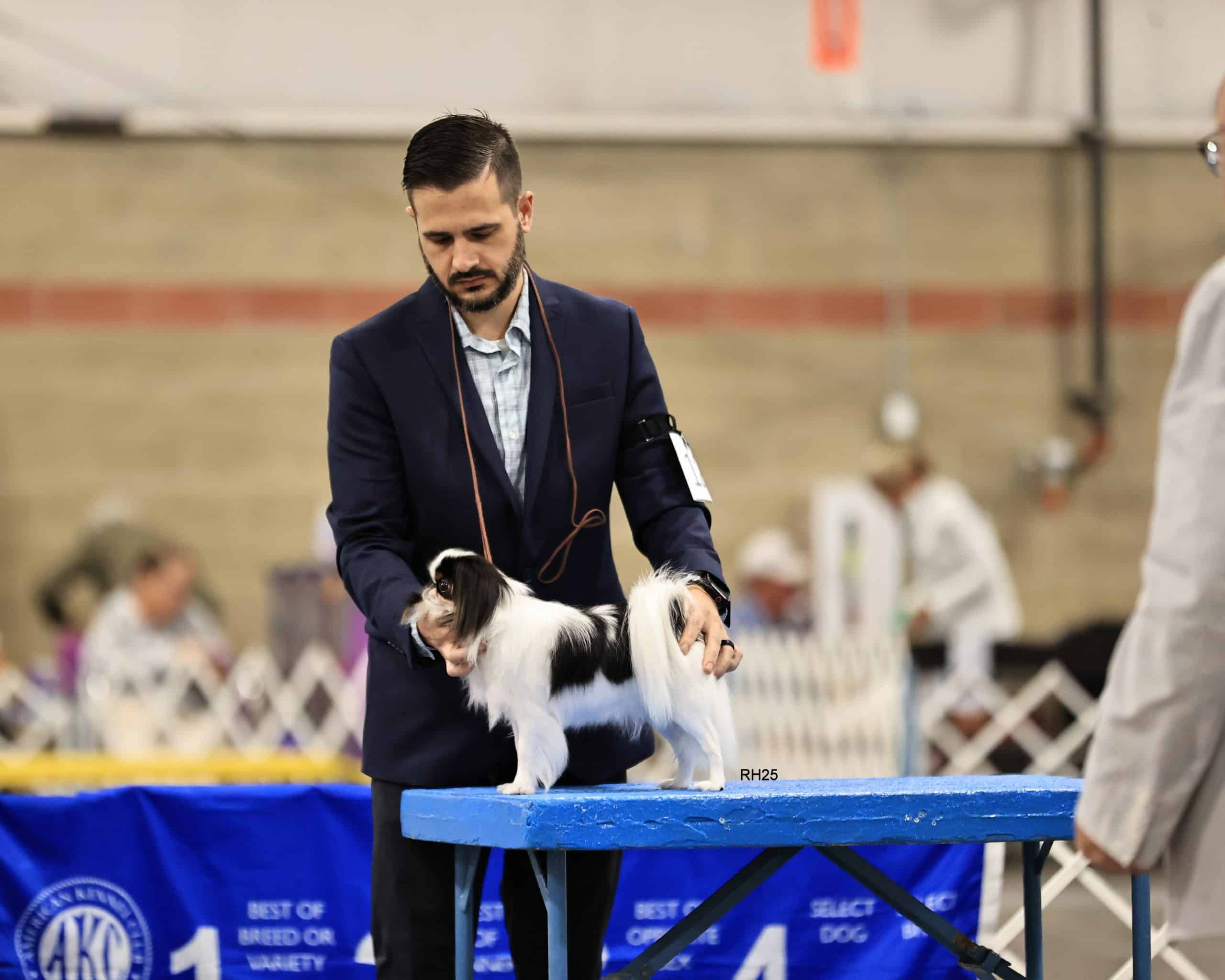
Key Health Features of Japanese Chin
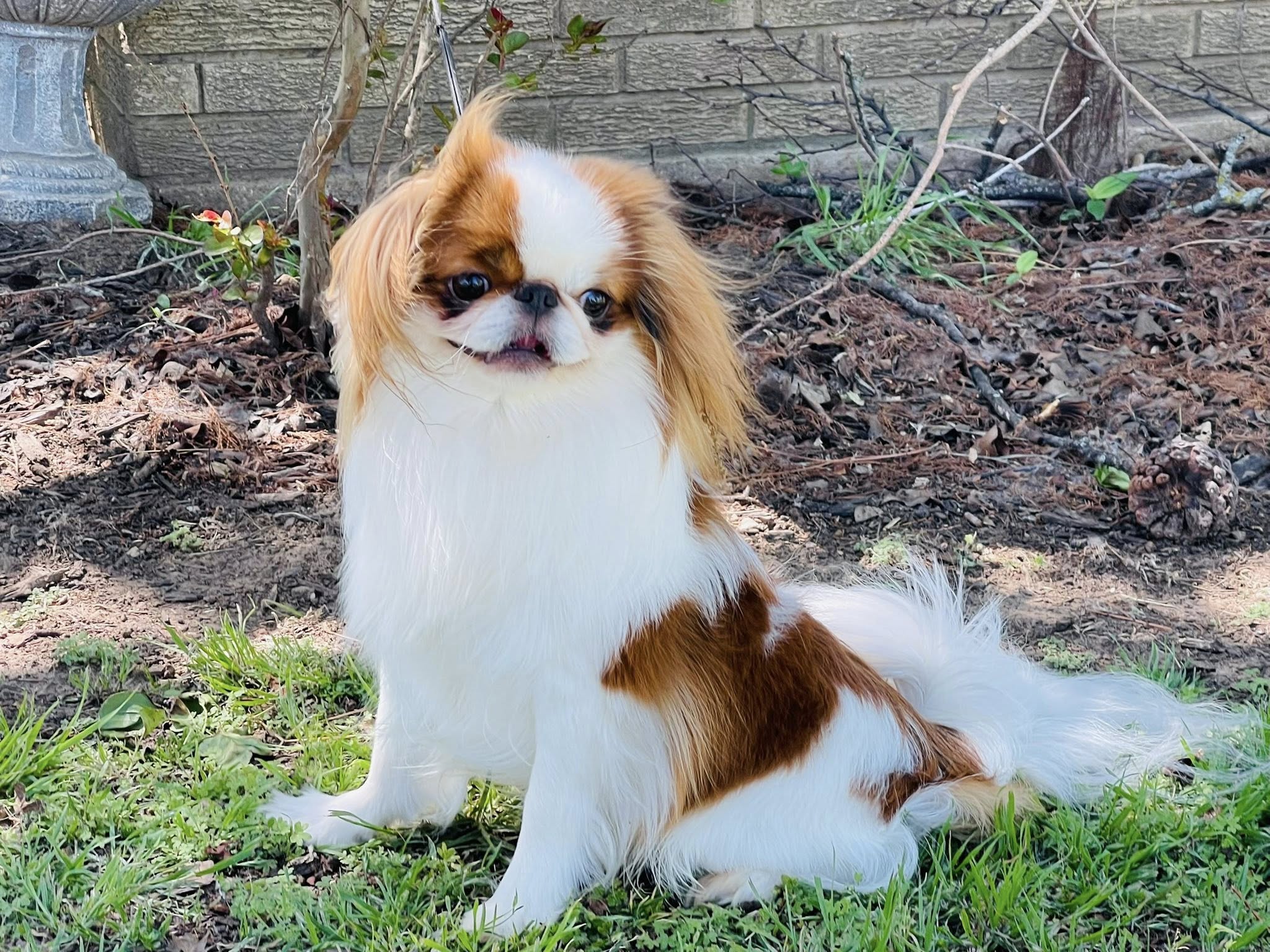
Regular Vet Checkups
Ensure your Japanese Chin receives regular veterinary checkups to monitor their overall health and prevent potential issues.
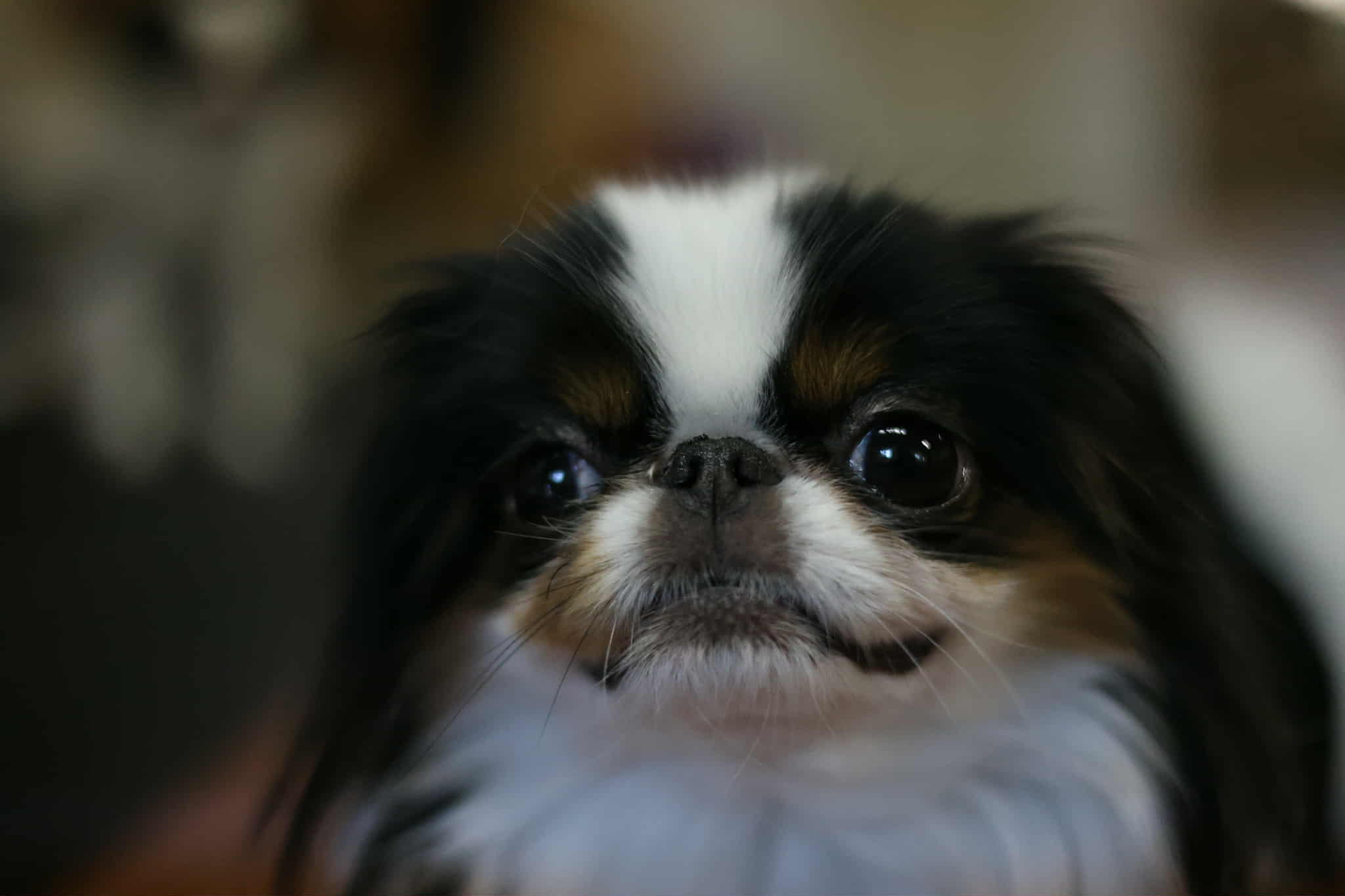
Balanced Diet
Provide a balanced diet rich in nutrients to support the unique dietary needs of Japanese Chin dogs.
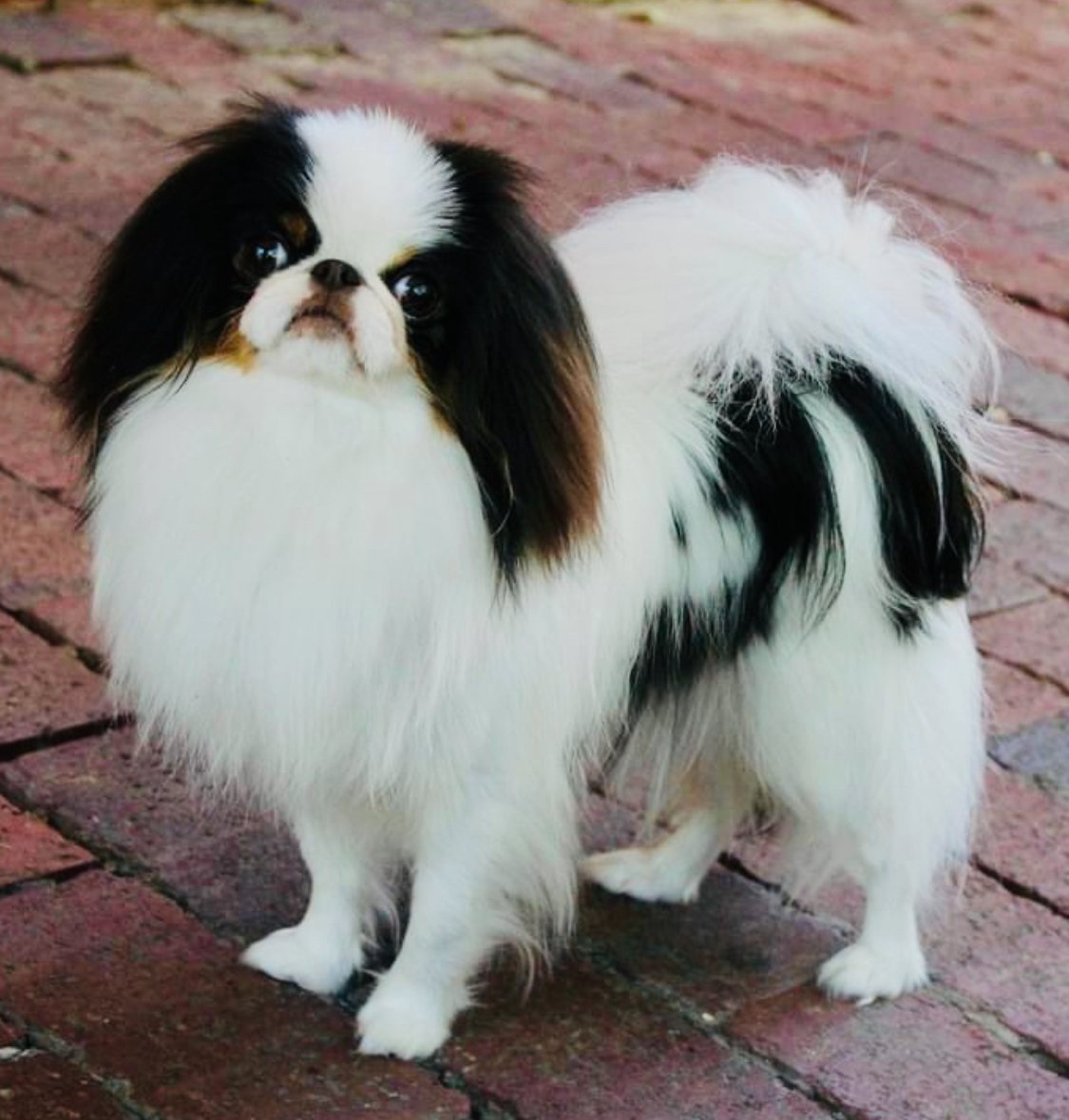
Exercise and Play
Engage your Japanese Chin in daily exercise and play to maintain their physical and mental well-being.
Common Questions About Japanese Chin Health
The Japanese Chin is a fairly healthy breed with a typical life expectancy of 10-12 years; some live to be 15 years of age or more. The majority of problems seen in the Chin are common to toy dogs in general. Among the most common are luxating patellas (slipping kneecaps), cataracts, and early-onset heart murmurs. Reputable breeders attempt to breed from stock that are free of major health defects in hopes their progeny will have a better chance at a healthy life. The Japanese Chin Club of America recommends that all Japanese Chin breeders follow the health testing recommendations of the Orthopedic Foundation For Animals (OFA) to screen systematically for congenital conditions involving the Eyes, Heart, and Patellas, and include DNA testing for the GM2 mutation.
In an effort to raise awareness of health problems in toy breed dogs, the JCCA Health Committee sponsors health clinics, inviting veterinary specialists such as ophthalmologists, cardiologists, and orthopedists to examine breeding stock. The club also supports studies by AKC Canine Health Foundation.
If you have specific questions, comments, or suggestions, please feel free to contact the health committee.
Health Issues
Series of Articles by Leanne Bertani, MD
New Approach to Vaccination of the Canine
For years, it was believed that annual vaccinations for viral diseases were necessary to keep our beloved companions out of harm’s way. But we have recently come to a turning point in vaccination of the canine. While we are grateful for protection from diseases such as distemper and parvovirus, there is growing realization that vaccination is not always benign.
- Read the whole article
Endocardiosis In The Toy Dog (Mitral Valve Disease)
Atrioventricular Endocardiosis, or Myxomatous Valvular Disease, is a chronic degenerative disease affecting the mitral and tricuspid valves of the heart. It is the most common cardiac disease in small-breed dogs, and has a hereditary predisposition.
- Read the whole article
Cataracts in Canines
A cataract is any opacity in the lens of the eye or the lens capsule. The cause, size, location and severity of a cataract may vary. They can be caused by trauma, inflammation, diabetes or other metabolic disease, retinal atrophy, persistent pupillary membranes, hyaloid remnants, nutritional deficiencies, congenital abnormalities, or heredity.
- Read the whole article
Primary Epilepsy in the Toy Dog
Primary Epilepsy is a disorder of the brain characterized by recurrent seizures.
- Read the whole article
Atlantoaxial Subluxation
Atlantoaxial Subluxation is an instability of the first and second vertebrae in the neck.
- Read the whole article
Heart-Screening in the Japanese Chin, Cavalier and English Toy Spaniel
List of board-certified veterinary cardiologists by state (also includes Canada, Brazil, Switzerland).
- Read the whole article
Japanese Chin Coat Color Study
By Leanne Bertani, Adrienne Wilder, and JP Yousha. Published in the December 2007 Chin Chit Chat.
- Read the whole article
Purina Parent Club Partnership Program
The JCCA is a member of the Purina Parent Club Partnership Program. Collect weight circles (proofs of purchase) from bags of participating Purina brand dog foods and help fund breed-specific health studies through the AKC Canine Health Foundation.